
If you want to head out this weekend, finding simple power options for car camping is the best way to keep your phone charged and a 12V cooler running without any hassle. But the moment you search for advice online, you get hit with a wall of confusing jargon like Amps, Volts, Watts, pure sine wave inverters, and solar controllers. Let’s cut out the faff. You don’t need an electrical engineering degree to keep your gear alive for a 48-hour trip.
Before worrying about your electricity, make sure you have your basic vehicle setup sorted by checking out our essential budget micro camper gear guide.
Portable Power Stations: Simple Power Options for Car Camping
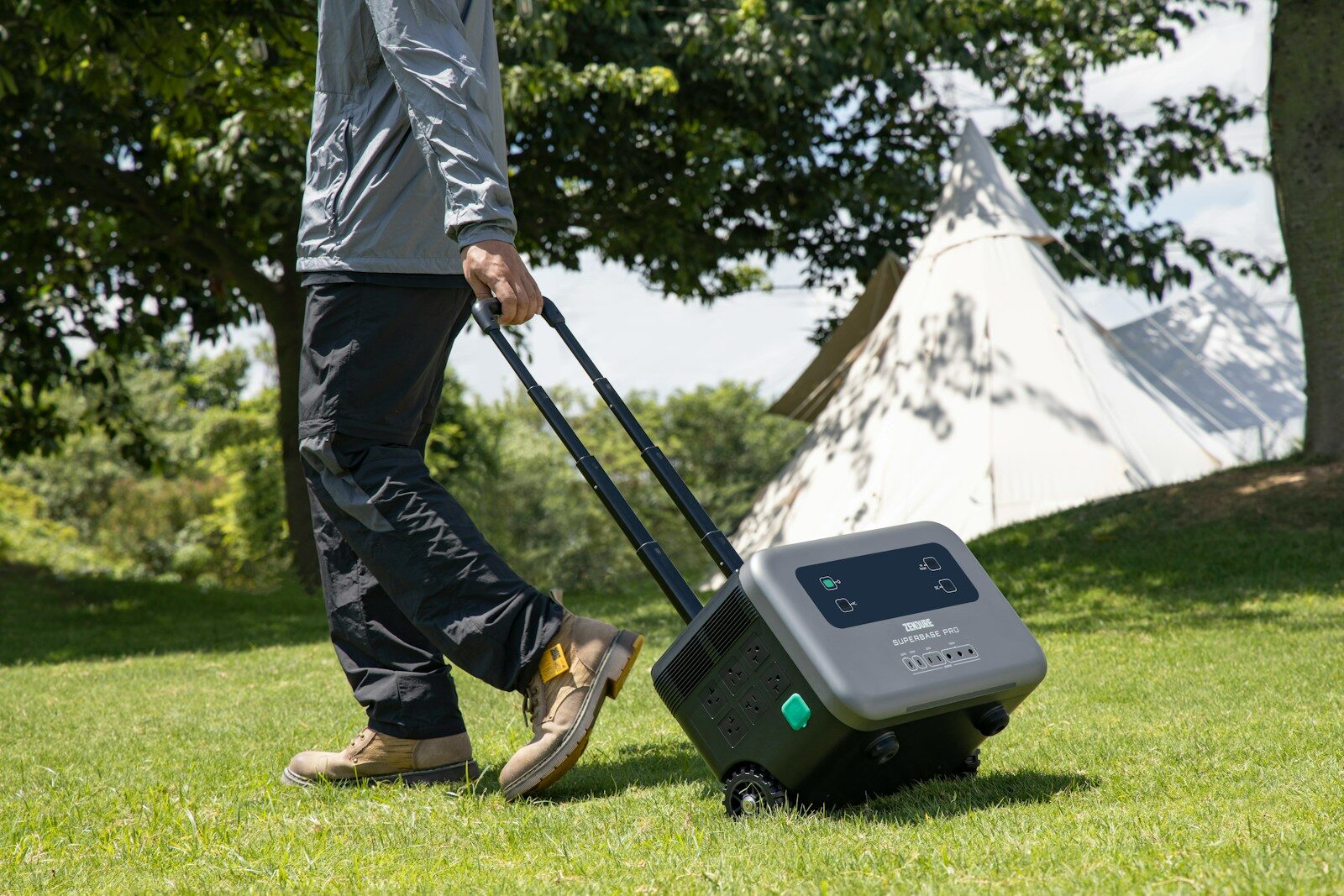
Think of these as giant, heavy-duty phone power banks equipped with standard household plugs and USB ports. The best part about them is that they require absolutely zero technical knowledge. You just charge it at home from the wall, throw it in the boot of your car, and plug your devices straight in without any wiring headaches.
While you can easily get away with a small, budget-friendly power station for a basic weekend trip, you really need to think about your long-term plans. If you have both the physical room in your vehicle and the budget, it is definitely worth investing in a larger size right from the start. The biggest trap people fall into is buying a tiny unit to save a bit of money, realising a few months down the line that it doesn’t power their expanding needs, and having to folk out a second payment for a bigger one anyway.
The DIY 12V Leisure Battery: Hands-On Car Camping Power
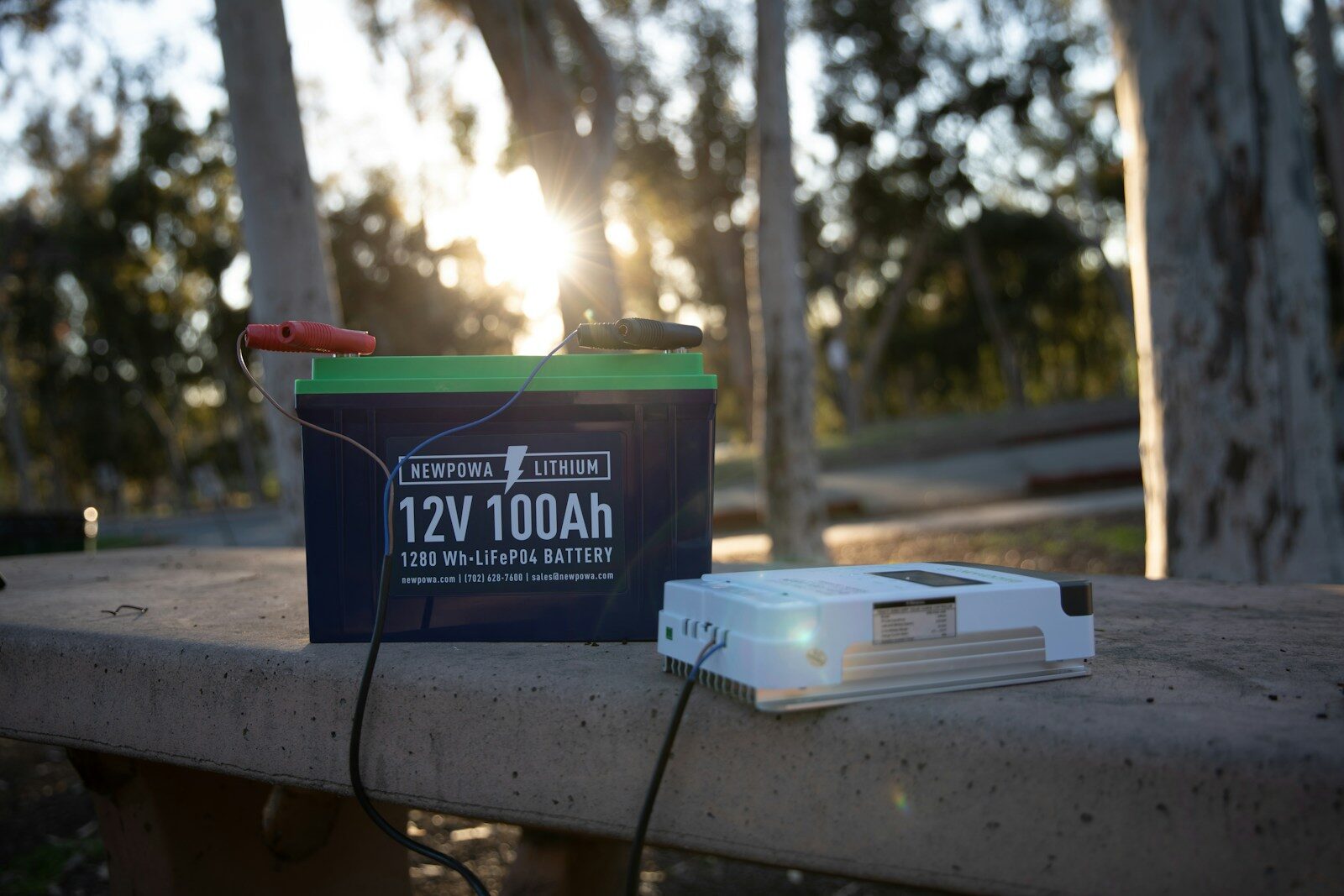
If you want the absolute most value for your money, building your own setup using a dedicated deep-cycle leisure battery is the way to go. It is significantly cheaper than buying an all-in-one power station because you aren’t paying a premium for a fancy brand name, built-in screens, and plastic casing. Instead, you buy the raw battery capacity and wire up your own fuse block, heavy-gauge wire, and 12V USB or cigarette sockets exactly where you want them.
The trade-off here is that you have to do the work yourself. It requires a bit of hands-on problem-solving, running the maths on your devices, using the correct fuse ratings, and understanding basic electrical safety to avoid shorts. But if you enjoy technical DIY projects, it gives you a completely tailored system that is permanently integrated into your vehicle’s layout for a fraction of the cost. You can find highly reliable, budget-friendly 12V accessories and camping supplies directly on the Decathlon website or Amazon.
The Verdict: Which One Should You Choose?
At the end of the day, finding simple power options for car camping comes down to how you want to spend your time and your budget. Ask yourself these quick questions to make your decision:
- Choose a Portable Power Station if: You want a safe, plug-and-play solution by Friday afternoon, you don’t want to touch a single wire, and you have the budget to buy a slightly larger unit than you think you need.
- Choose a DIY 12V Leisure Battery if: You want the absolute cheapest cost per watt-hour, you love the process of building things yourself, and you want a custom system tailored exactly to your vehicle’s layout.